Kitchen Backsplash Cleaning: Keeping Your Boise Home’s Focal Point Beautiful
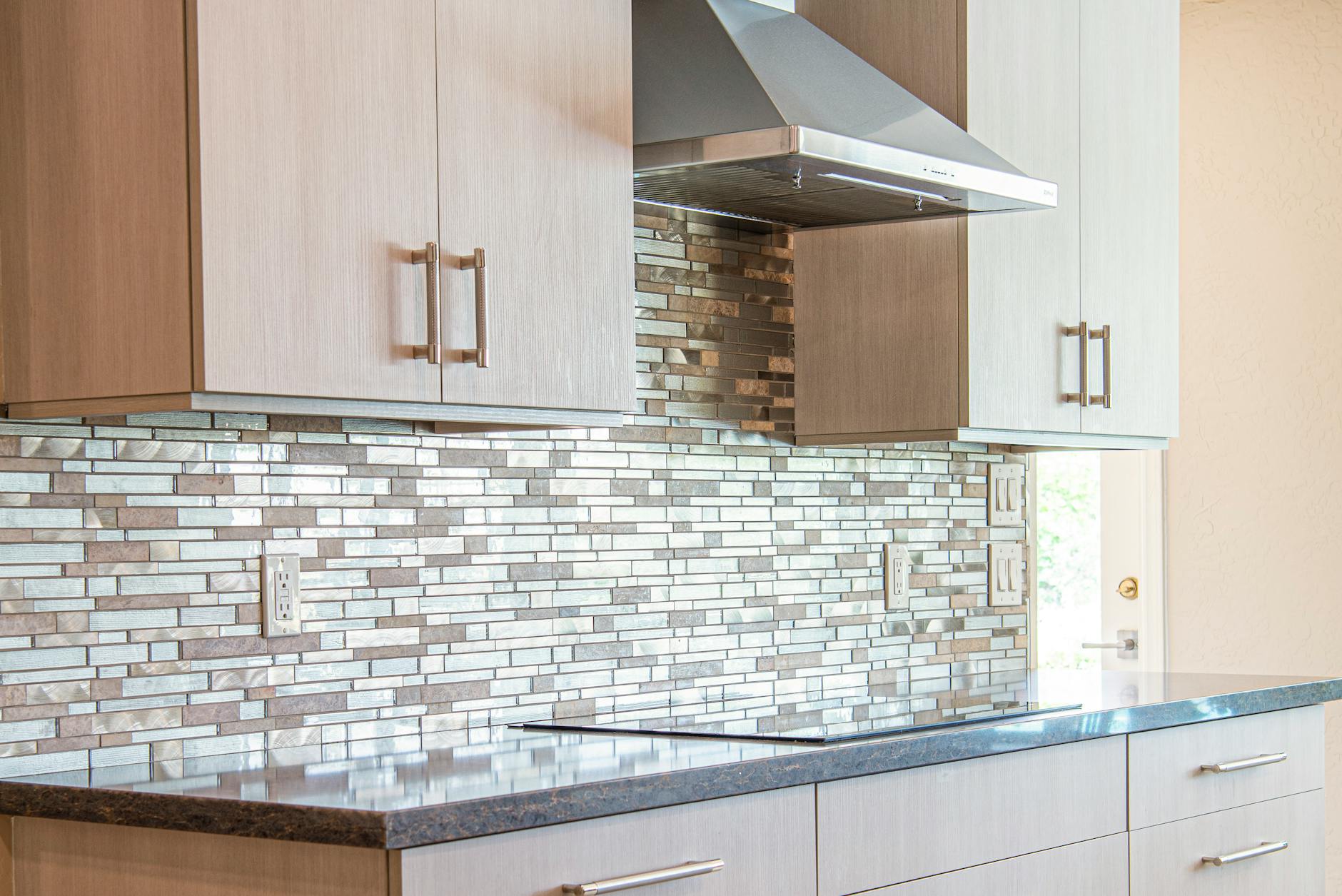
The kitchen backsplash serves as both a functional protector of walls and a prominent design element that sets the tone for your entire kitchen. Positioned behind cooktops and sinks, backsplashes face constant exposure to grease, food splatter, moisture, and cleaning products. For Boise and Treasure Valley homeowners, understanding how to properly clean and maintain these surfaces preserves their beauty and extends their lifespan.
The Unique Challenges of Backsplash Maintenance
Kitchen backsplashes occupy a challenging position, exposed to concentrated cooking residues and frequent moisture. Unlike floor tile that receives regular cleaning attention, backsplashes often accumulate gradual buildup that goes unnoticed until discoloration becomes obvious. The vertical orientation means gravity isn’t helping remove debris, and the proximity to heat sources can bake on stubborn residues.
Different backsplash materials present different cleaning challenges. Ceramic and porcelain tiles are generally most forgiving, resisting stains and tolerating various cleaning approaches. Natural stone like marble, travertine, and slate requires gentler treatment to avoid etching and discoloration. Glass tiles show every water spot and fingerprint, while metal tiles can scratch or tarnish with improper cleaning.
Daily and Weekly Cleaning Routines
Consistent light cleaning prevents the buildup that makes backsplash restoration difficult. After cooking, wiping splatters while they’re fresh prevents them from hardening into stubborn residues. A soft cloth or sponge with warm water and mild dish soap handles most daily cleaning needs without risking damage to tile or grout.
Weekly deeper cleaning addresses areas behind the cooktop where grease accumulates. A solution of warm water and degreasing dish soap, applied with a soft sponge, removes oily residues. Work from the bottom up to prevent dirty water from running over already-cleaned areas, and rinse thoroughly to remove soap residue that can attract more dirt.
For Boise homeowners, maintaining backsplash cleanliness is particularly important during cooking seasons when windows stay closed and ventilation systems work harder. The combination of cooking residues and reduced air circulation creates conditions where grime accumulates rapidly.
Addressing Grease and Cooking Residue
Grease presents the most common and challenging backsplash cleaning issue. Cooking oils vaporize during stovetop use, then condense on cooler backsplash surfaces, creating a sticky film that attracts dust and dirt. Over time, this layer becomes increasingly difficult to remove.
For moderate grease buildup, warm water with a few drops of dish soap usually suffices. The surfactants in dish soap break down grease molecules, allowing them to be wiped away. For heavier accumulation, a solution of warm water and white vinegar provides additional cutting power without the harshness of commercial degreasers.
Avoid abrasive scrubbers that can scratch tile glaze and damage grout. Soft microfiber cloths and non-scratch sponges clean effectively without causing damage. For textured tiles where grease settles into crevices, a soft-bristled brush can help dislodge buildup without scratching.
Grout Maintenance in Backsplash Areas
Backsplash grout faces particular challenges due to its exposure to food acids, grease, and frequent moisture. Unsealed grout absorbs these substances, leading to permanent staining that no amount of cleaning can remove. Even sealed grout requires regular attention to maintain its protective barrier and appearance.
Weekly grout cleaning with a soft brush and mild cleaner prevents buildup in grout lines. Pay particular attention to areas behind the sink and cooktop where exposure is heaviest. Rinse thoroughly after cleaning to remove residue that can degrade sealers over time.
Grout sealers in backsplash areas typically need reapplication every one to two years, more frequently than floor grout due to exposure to harsher conditions. Professional grout sealing services ensure proper product selection and application for maximum protection.
Natural Stone Backsplash Care
Natural stone backsplashes require specialized care to prevent damage. Stone is porous and susceptible to staining from acidic substances like tomato sauce, citrus juices, and vinegar. It’s also vulnerable to etching from acidic cleaners, which can permanently dull the surface finish.
For daily cleaning, use only pH-neutral cleaners specifically formulated for natural stone. Avoid vinegar, lemon juice, and other acidic substances that can etch the surface. Blot spills immediately rather than wiping, which can spread the staining substance across a larger area.
Sealing is essential for natural stone backsplashes. Most stone requires sealing every six to twelve months in kitchen applications. The Natural Stone Institute recommends testing seal by applying water to the surface. If water absorbs rather than beading, resealing is necessary.
When DIY Cleaning Reaches Its Limits
Despite regular maintenance, backsplash tile and grout eventually reach a point where household cleaning methods no longer restore appearance. Stubborn stains, deep-set grease, discolored grout, and accumulated buildup require professional intervention.
Professional backsplash cleaning uses specialized equipment and cleaning agents that achieve results impossible with consumer products. Steam cleaning, high-pressure extraction, and professional-grade degreasers restore surfaces that appear permanently damaged. For Treasure Valley homeowners, this professional service represents a cost-effective alternative to replacement.
Preventive Measures for Lasting Beauty
Beyond cleaning, several preventive measures help maintain backsplash beauty. Using splatter screens when cooking reduces the grease and food particles that reach your backsplash. Running range hood ventilation during and after cooking removes airborne residues before they settle on surfaces.
Prompt attention to spills prevents staining, particularly with pigmented substances like red wine, tomato sauce, and curry. Keeping a clean cloth handy while cooking allows immediate blotting of splatters before they can set.
For new backsplash installations or recently cleaned surfaces, applying a quality grout sealer and appropriate tile sealant (for porous materials) creates a protective foundation that makes ongoing maintenance easier and more effective.
Professional Restoration Options
When backsplashes have suffered years of neglect or damage, professional restoration can often return them to like-new condition. Deep cleaning removes accumulated buildup, grout color sealing restores uniform appearance to stained grout, and minor repairs address cracked tiles or damaged grout lines.
For Boise homeowners preparing homes for sale or simply wanting to refresh their kitchens without the expense of replacement, professional backsplash restoration offers remarkable transformation at a fraction of replacement cost.
To learn more about backsplash cleaning and restoration services in the Treasure Valley, contact Groutsmith for a consultation. Their expertise in tile and grout care helps maintain the beauty of your kitchen’s most prominent feature.