How Boise’s Hard Water Affects Your Tile and Grout (and What to Do About It)
If you live in the Boise area, you have hard water. The Treasure Valley’s water supply carries elevated levels of dissolved minerals, primarily calcium and magnesium, that leave their mark on every surface water touches. For tile and grout in bathrooms, kitchens, and utility areas, hard water creates persistent challenges that go beyond simple aesthetics. Understanding how hard water affects your tile surfaces helps you protect your investment and maintain your home’s appearance.
What Hard Water Does to Tile Surfaces
Hard water leaves mineral deposits wherever it evaporates. On tile, these deposits appear as white, chalky buildup that dulls the surface and obscures the tile’s original color and pattern. Glass shower doors, ceramic tile, porcelain fixtures, and natural stone all suffer from this gradual accumulation, though each material responds differently.
On glazed ceramic and porcelain tile, mineral deposits sit on the surface and can usually be removed with appropriate cleaning. However, on textured tile where deposits settle into crevices and uneven surfaces, removal becomes significantly more difficult. Natural stone tile, with its inherent porosity, can actually absorb mineral-laden water, causing deposits to form below the surface where no amount of scrubbing can reach them.
Over time, untreated hard water deposits etch into tile surfaces, particularly on glass and natural stone. This etching creates a permanently rough texture that attracts more mineral buildup, accelerating the cycle of deterioration. What begins as a cosmetic nuisance becomes genuine surface damage if left unaddressed.
The Impact on Grout Lines
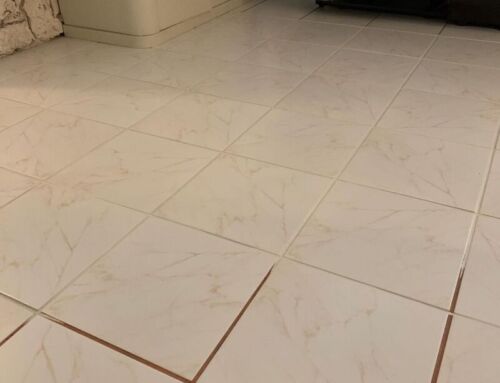
While hard water’s effect on tile surfaces is visible and frustrating, its impact on grout is often more damaging. Grout is porous by nature, readily absorbing water and the dissolved minerals it carries. As water evaporates from grout, minerals are left behind within the grout’s structure, causing white discoloration and a rough, chalky texture.
Repeated mineral absorption gradually degrades grout’s structural integrity. The crystallization of mineral deposits within grout pores creates internal pressure that can cause crumbling and cracking over time. In shower areas where grout is constantly wet and drying, this cycle of mineral deposition accelerates grout deterioration significantly.
Hard water also interferes with grout sealers. Mineral deposits can form on top of sealers, reducing their effectiveness and making reapplication less reliable. In extreme cases, mineral buildup between the sealer and the grout surface can cause the sealer to delaminate, leaving grout completely unprotected.
Bathrooms: The Primary Battleground
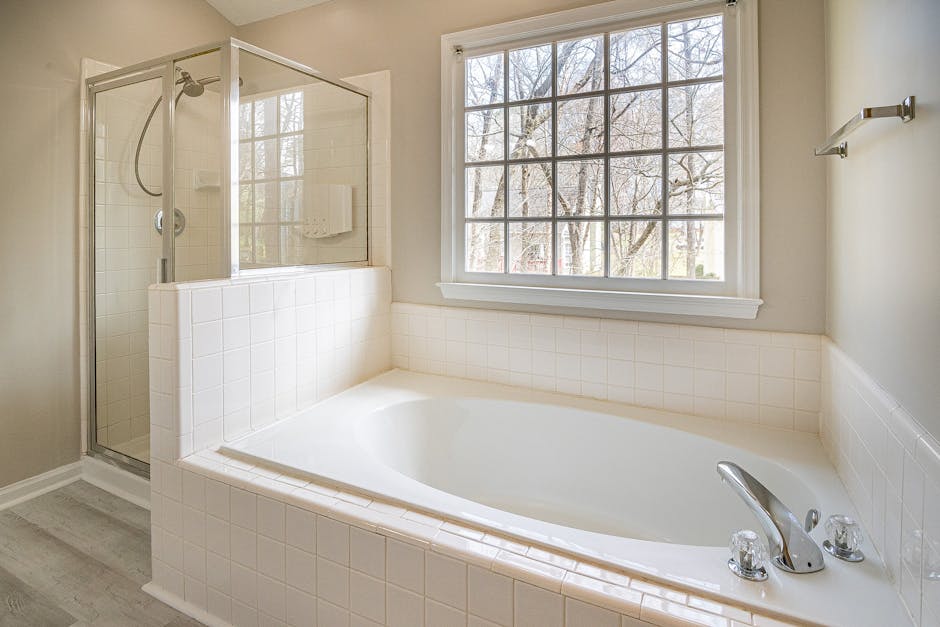
Bathrooms bear the brunt of hard water damage because tile surfaces are repeatedly exposed to water and allowed to air dry. Shower walls, floors, and glass enclosures accumulate mineral deposits with every use. Without intervention, a clean shower can develop visible hard water staining within just a few weeks.
Shower floors are particularly vulnerable because water pools in grout lines and low spots, concentrating mineral deposits in these areas. The combination of hard water minerals and soap creates soap scum, a stubborn film that is more difficult to remove than either substance alone. This film provides a surface for mold and mildew to establish, compounding the problem.
For Boise homeowners with tiled showers, addressing hard water buildup is not optional maintenance but rather an essential part of preserving the installation. Neglected hard water deposits in showers lead to grout failure, tile damage, and potential water intrusion behind walls.
Kitchen Tile and Hard Water
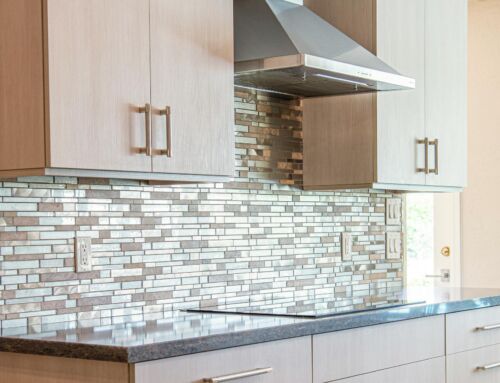
Kitchen tile encounters hard water primarily around sinks and dishwashers, where splashing and steam deposit minerals on surrounding surfaces. Backsplash tile behind the sink develops spots and film from daily dishwashing. Countertop tile near the sink accumulates deposits in grout lines where water pools.
Unlike bathrooms where the problem is widespread, kitchen hard water damage tends to be concentrated in specific zones. This makes it easier to manage with targeted cleaning but also easier to overlook until buildup becomes severe. Regular attention to the areas immediately surrounding water sources prevents the accumulation that requires professional intervention.
Effective Daily Prevention Strategies
The most effective defense against hard water damage is preventing minerals from drying on tile surfaces. Squeegeeing shower walls and doors after each use removes the mineral-laden water before it can evaporate and deposit its contents. This simple thirty-second habit dramatically reduces hard water buildup.
Wiping down faucet areas, sink surrounds, and countertop tile after use removes water before minerals can accumulate. Keeping a microfiber cloth near the kitchen sink encourages this habit. In bathrooms, running the exhaust fan during and after showers helps reduce moisture and the deposits it leaves behind.
Drying tile surfaces with a clean towel after cleaning prevents the clean water itself from leaving new mineral deposits. This final step in your cleaning routine ensures that your effort actually improves the situation rather than simply redistributing minerals across the surface.
Cleaning Hard Water Deposits from Tile
For existing hard water buildup, acidic cleaners dissolve mineral deposits effectively. White vinegar diluted with equal parts water works well on ceramic and porcelain tile. Apply the solution, allow it to sit for five to ten minutes, then scrub gently and rinse thoroughly. For heavier deposits, a commercial lime and calcium remover may be necessary.
Natural stone tile requires special caution. Acidic cleaners that dissolve mineral deposits can also etch and damage stone surfaces. For marble, travertine, granite, and other natural stone, use only pH-neutral cleaners specifically formulated for stone. If hard water deposits have bonded to natural stone, professional cleaning is the safest approach to avoid irreversible damage.
Grout cleaning for hard water deposits follows similar principles, but the porous nature of grout means deposits penetrate deeper and require more effort to remove. A soft-bristled brush with an appropriate cleaner worked into grout lines helps dislodge mineral buildup. For grout that has become permanently discolored by years of mineral absorption, professional grout cleaning services offer the best path to restoration.
The Protective Power of Sealing
Quality grout sealing is the most effective long-term defense against hard water damage. Sealed grout resists moisture absorption, which means minerals stay on the surface where they can be wiped away rather than penetrating into the grout structure where they cause permanent damage.
In Boise’s hard water environment, professional grout sealing is especially important. Commercial-grade sealers applied by professionals provide superior mineral resistance compared to consumer products. For shower installations where hard water exposure is constant, professional sealing should be considered essential rather than optional.
Color sealing offers a dual benefit for grout affected by hard water. The pigmented sealer restores uniform color to stained grout while providing a protective barrier against future mineral absorption. For Treasure Valley homes where hard water has already discolored grout, color sealing delivers both cosmetic improvement and lasting protection.
Whole-Home Solutions Worth Considering
While proper cleaning and sealing address the symptoms of hard water on tile, some Boise homeowners choose to address the source. Water softening systems remove calcium and magnesium before water reaches your fixtures and tile, dramatically reducing mineral deposit formation throughout the home.
Water softeners represent a significant investment but can reduce tile and grout maintenance needs substantially. For homes with extensive tile, natural stone surfaces, or glass shower enclosures, the reduced cleaning effort and extended surface life can justify the cost over time.
Even with a water softener installed, regular grout maintenance and periodic professional cleaning remain important. Softeners reduce mineral content but do not eliminate it entirely, and other water-borne contaminants continue to affect tile and grout surfaces.
Professional Restoration for Hard Water Damage
When hard water damage has progressed beyond what household cleaning can address, professional restoration offers a path back to beautiful tile. Deep cleaning with commercial equipment removes mineral deposits that have resisted every DIY approach. Grout restoration addresses both the cosmetic and structural damage that years of mineral absorption can cause.
For Treasure Valley homeowners dealing with the effects of Boise’s hard water on their tile and grout, contact Groutsmith for a consultation. Their expertise in addressing hard water damage helps restore and protect tile surfaces throughout your home.