Most homeowners know grout should be sealed, but far fewer realize there isn’t just one kind of sealer. The product used on a shower floor should not necessarily be the same one brushed onto a kitchen backsplash, and the sealer that works beautifully on a light travertine may be wrong for dense porcelain grout lines. Understanding the differences helps you protect your tile properly the first time.
Why Grout Needs a Sealer at All
Cement-based grout is porous. Under a microscope, it looks less like a solid material and more like a sponge of tiny channels. Water, cooking oils, soap scum, and the mineral-heavy hard water common in Boise can all sink into those channels, where they discolor grout from within and encourage mildew growth. A sealer fills or coats those pores so contaminants stay on the surface, where they can be wiped away before they cause staining.
The Main Types of Grout Sealers
Sealers generally fall into a few categories, each with its own strengths and best-use cases:
- Penetrating (impregnating) sealers: These soak into the grout and repel liquids from the inside. They don’t change the look of the grout and are a common choice for showers, floors, and other wet areas.
- Topical (surface) sealers: These form a thin film on top of the grout. They can add sheen but may wear unevenly in high-traffic zones and are usually not recommended for showers.
- Color sealers: A pigmented coating applied to cleaned grout lines. They restore or change the color while sealing at the same time, which is useful when grout is permanently stained or inconsistent in tone.
- Enhancing sealers: Often used on natural stone and its surrounding grout, these deepen color and highlight the natural texture while still providing protection.
Matching the Sealer to the Space
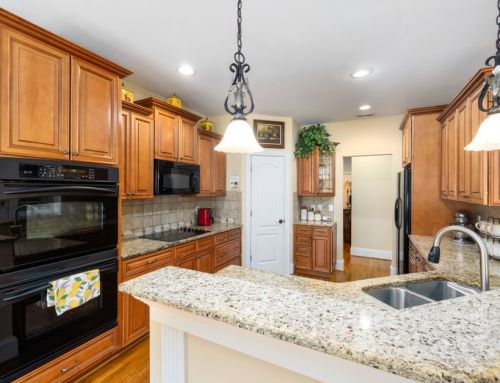
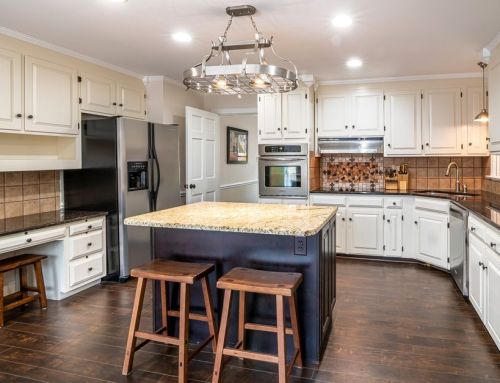
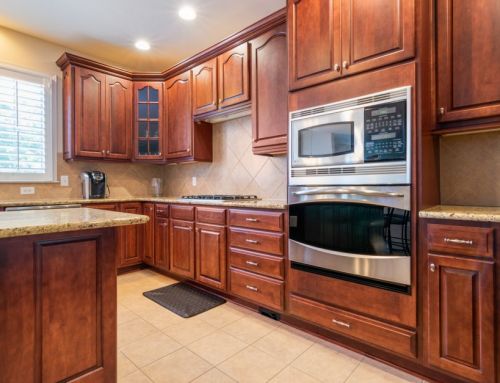
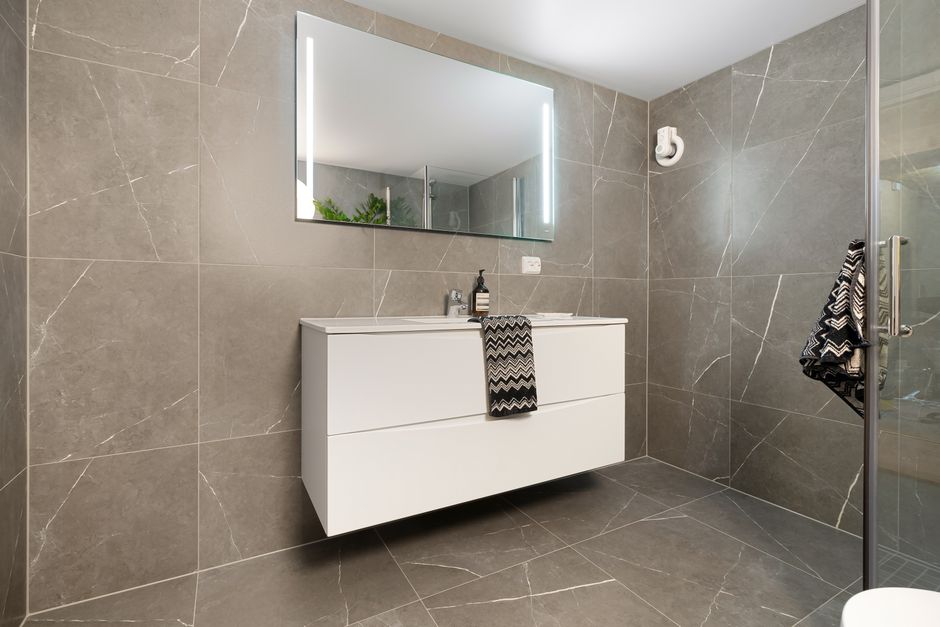
The right choice depends on where the tile lives. Shower walls and floors take constant water exposure, so a quality penetrating sealer is usually the workhorse there, sometimes paired with fresh caulk at the changes of plane. Kitchen backsplashes deal with grease and cooking splatter, and a penetrating sealer works well there too, though a color seal can be a game-changer if the grout has already absorbed years of stains.
Entryway and hallway floors in the Treasure Valley see grit, moisture from boots, and freeze-thaw tracking in the winter months. Penetrating sealers hold up well underfoot, and in some cases color sealing is chosen to unify grout that has weathered unevenly. Natural stone installations add another layer to think about, since the stone itself often needs its own sealer alongside the grout.
Preparation Is Half the Job
Any sealer, no matter how premium, only performs as well as the surface it’s applied to. Sealing dirty grout locks contaminants in rather than out. That’s why a thorough deep cleaning always comes first, followed by full drying time before sealer is applied. Skipping that step is one of the most common reasons homeowners feel their previous sealing job “didn’t work.”
When to Bring in a Professional
DIY sealing can be reasonable for a small, newly grouted area, but larger floors, showers, and stained grout usually benefit from professional attention. A pro can assess grout condition, choose the appropriate product, and apply it evenly without haze or residue on the tile face.
If you’re weighing your options for grout sealing in Boise, Meridian, or Eagle, we’re happy to look at your surfaces and talk through what type of sealer makes the most sense for how you actually use the space.