Grout lines do more than “fill the gaps” between tile—they shape how clean (or not clean) a floor looks. In many Boise-area homes, tile itself holds up well for years, but grout slowly darkens, stains, or becomes uneven in color. That’s why sealing is such a common next step after tile and grout cleaning. The two most popular options are clear sealing and color sealing, and each one makes sense in different situations.
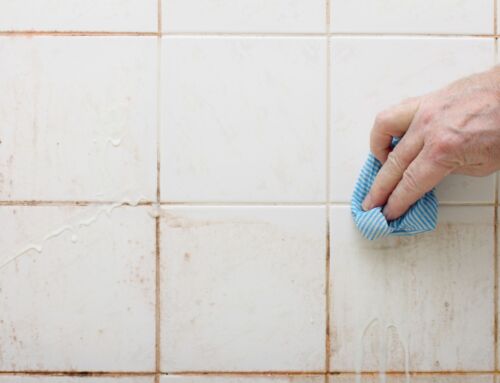
If you’ve ever wondered why grout in a kitchen looks permanently darker than it did when the tile was first installed, you’re not alone. Grout is porous, which means it can absorb moisture and trap soils. Sealing helps reduce that absorption—making it harder for spills and grime to sink in and easier to keep surfaces looking consistent over time.
What clear sealing is best for
Clear sealing is exactly what it sounds like: a protective sealant applied to grout that helps guard against moisture and stains while keeping the grout’s existing color visible. It’s often a great choice when:
- Your grout is still fairly even in color
- You like the current grout shade and want to preserve it
- The tile installation is newer and hasn’t picked up heavy staining yet
- You want protection without changing the look
Clear sealing is popular in bathrooms and kitchens because those spaces deal with frequent moisture, splashes, and routine mopping. Once sealed, grout typically stays easier to maintain with gentle cleaning and quicker wipe-ups.
If you want to see how grout sealing helps reduce staining and moisture penetration, The Groutsmith explains options and purpose on their grout sealing service page in Boise.
What color sealing is best for
Color sealing is a different approach: it protects grout while also creating a more uniform appearance. It’s a common choice when grout has become blotchy, stained, or uneven over time—even after cleaning. Color sealing may make sense when:
- Grout has permanent staining in high-traffic lanes
- Different rooms or tile areas have mismatched grout tones
- You want grout to look “new again” without replacing tile
- You’re updating the look of a room and want a more consistent finish
In busy Treasure Valley households, color sealing can be especially useful in entryways and kitchens—places where daily foot traffic and spills can make grout look patchy quickly.
Why high-traffic Boise areas change grout faster
In the Boise and Meridian area, it’s common for entryways to collect fine grit, winter moisture, and dust. Kitchens see oils and food splatter. Bathrooms deal with humidity and product residue. Over time, grout lines can hold onto what they absorb. Even if a floor is cleaned regularly, the grout may still look uneven if staining has penetrated below the surface.
That’s why sealing is often paired with deep cleaning first: it protects the grout after it’s been refreshed, helping it stay more consistent through every season.
When sealing isn’t enough: grout repair matters
Sealing can protect grout, but it won’t replace grout that’s missing, crumbling, or failing. If grout lines are breaking down or cracking in sections, it’s usually smart to address that first so the surface is stable and uniform before protection is applied.
If you’re seeing grout loss, gaps, or cracking in showers, kitchens, or hallways, take a look at grout repair in Boise before deciding on sealing. Repair first, then protect—this tends to create a cleaner-looking finish and better long-term durability.
How to decide between clear and color sealing
If you want a simple way to think about it:
- Choose clear sealing when grout looks fairly even and you want to keep its current appearance.
- Choose color sealing when grout looks blotchy or stained and you want a more uniform, “reset” look.
Both options are designed to help reduce how quickly grout absorbs spills and grime, which is especially helpful in kitchens, bathrooms, and entryways where day-to-day life happens fast.
Maintaining sealed grout in real life
Sealed grout still benefits from good cleaning habits. A few simple routines can help:
- Use a gentle, pH-neutral cleaner rather than harsh chemicals when possible.
- Change mop water often so you’re not pushing soil into grout lines.
- Wipe up spills quickly—especially coffee, sauces, and pet accidents.
- Keep bathrooms ventilated to help surfaces dry between uses.
For general moisture prevention in home interiors, the EPA’s mold and moisture guidance is a practical reference: EPA: Mold and Moisture. For broader tile-and-grout care considerations, homeowner resources from the Tile Council of North America can also be helpful: TCNA.
The takeaway
In Boise homes, the “right” sealing choice depends on what you want your grout to look like after cleaning. Clear sealing is great when grout is already close to the color you want. Color sealing is ideal when grout looks uneven and you want a more uniform finish—without replacing tile. Either way, sealing is one of the simplest ways to protect grout lines and keep tile surfaces looking cleaner for longer.