
Entryway and Mudroom Tile Care: Protecting Your Boise Home’s First Impression
Your entryway tile is the first surface guests see when they step inside your home, and it endures more abuse than nearly any other floored area. Mud, snow, gravel, salt, and moisture all get tracked in daily, especially during Boise’s wet springs and icy winters. For Treasure Valley homeowners, keeping entryway and mudroom tile looking clean and well-maintained protects both your home’s curb appeal and the longevity of the tile installation itself.
Why Entryway Tile Takes the Hardest Hit
Entryways and mudrooms serve as transition zones between the outdoors and the rest of your home. Every person, pet, and pair of shoes that crosses the threshold deposits dirt, sand, moisture, and seasonal debris directly onto these surfaces. Unlike kitchen or bathroom tile that faces specific types of soil, entryway tile encounters virtually every kind of contaminant imaginable.
In the Boise area, seasonal changes intensify this wear. Winter brings snow, ice melt products, and mud. Spring adds pollen, rain, and garden soil. Summer contributes dust and fine grit from dry conditions. Fall delivers leaves and organic debris. Each season deposits different materials that affect tile and grout in different ways, making year-round attention essential.
The abrasive nature of tracked-in grit is particularly damaging. Sand and small rocks act like sandpaper underfoot, gradually wearing down tile glaze and grinding dirt deep into grout lines. This damage is cumulative and largely invisible until the surface appears permanently dull or discolored.
Establishing an Effective Daily Routine
The single most impactful habit for entryway tile care is regular sweeping or vacuuming. Removing loose grit before it gets ground into tile and grout prevents the abrasive damage that dulls surfaces over time. A quick sweep each evening takes less than two minutes but dramatically extends the life and appearance of your tile.
Placing quality doormats both outside and inside your entry points captures a significant portion of tracked-in debris before it reaches your tile. The Carpet and Rug Institute recommends at least six feet of walk-off matting at each entrance to effectively reduce soil transfer. Shake or vacuum these mats regularly to maintain their effectiveness.
Prompt attention to wet conditions prevents moisture from sitting on grout lines and seeping beneath tile edges. After rainy or snowy days, a quick wipe with a dry mop removes standing water that can penetrate unsealed grout and cause staining, mineral deposits, and even substrate damage over time.
Weekly and Monthly Cleaning Approaches
Weekly mopping with a pH-neutral tile cleaner removes the film of dirt that daily sweeping cannot address. Avoid vinegar, bleach, and ammonia-based cleaners that can degrade grout sealers and etch certain tile surfaces. Warm water with a small amount of mild, pH-neutral cleaner applied with a microfiber mop provides thorough cleaning without chemical damage.
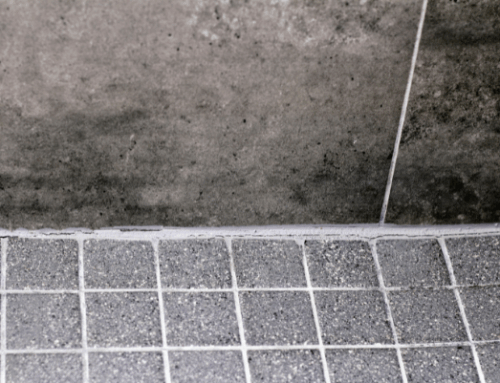
Monthly attention to grout lines keeps them from developing the deep-set staining that becomes permanent. A soft-bristled brush worked along grout lines loosens embedded dirt that mopping alone misses. For light staining, a paste of baking soda and water applied to grout lines and allowed to sit for ten minutes before scrubbing can lift surface discoloration.
Pay special attention to the area immediately inside the door where concentration of foot traffic and debris is highest. This zone typically shows wear and soiling first and benefits from slightly more frequent attention than the rest of the entryway.
The Role of Grout Sealing in High-Traffic Entries
Entryway grout faces harsher conditions than almost any other area in your home, making proper sealing absolutely critical. Unsealed or poorly sealed grout absorbs moisture, dirt, and staining agents that cause permanent discoloration. In Boise’s climate, moisture that penetrates unsealed grout can freeze during cold snaps, causing cracking and deterioration.
High-traffic entryways typically require grout sealer reapplication every six to twelve months, more frequently than lower-traffic areas. Testing your sealer is simple: apply a few drops of water to the grout. If the water beads on the surface, your sealer is intact. If it absorbs into the grout and darkens it, resealing is overdue.
Professional grout sealing services use commercial-grade products that provide superior protection compared to consumer-grade sealers available at hardware stores. For entryways that endure heavy daily traffic, this professional-grade protection represents a worthwhile investment in the longevity of your tile installation.
Dealing with Salt and Ice Melt Damage
Boise winters mean ice melt products inevitably get tracked onto entryway tile. These products, whether rock salt, calcium chloride, or magnesium chloride, can leave white residue, etch tile surfaces, and accelerate grout deterioration. Addressing salt deposits promptly prevents the damage that occurs when these chemicals sit on surfaces.
When salt residue appears, clean it with warm water and a pH-neutral cleaner as soon as possible. Avoid hot water, which can set salt stains rather than remove them. For stubborn white haze from salt deposits, a solution of warm water with a small amount of white vinegar can dissolve mineral residue, but rinse thoroughly and limit vinegar contact to avoid affecting grout sealers.
Consider placing a boot tray near your entry during winter months. Containing wet, salty footwear in a designated area prevents the worst of the contamination from reaching your tile and grout. Rubber-backed mats in winter provide an additional barrier against salt and moisture.
When Professional Cleaning Becomes Necessary
Despite diligent maintenance, entryway tile and grout eventually accumulate wear and soiling that household cleaning cannot fully address. Grout that has turned dark despite regular cleaning, tile that appears permanently dull, and persistent staining are all signs that professional intervention will restore what DIY efforts cannot.
Professional tile and grout cleaning uses high-pressure steam and commercial extraction equipment that reaches deep into grout pores and removes embedded contamination. For entryway tile that sees years of heavy traffic, professional cleaning can produce dramatic transformations that make surfaces look newly installed.
Grout color sealing offers an excellent option for entryway grout that has become permanently stained. This process applies a pigmented sealer that restores uniform color while providing ongoing protection against future staining. For Treasure Valley homes where entryways make a critical first impression, color sealing delivers remarkable results.
Tile Repair in High-Traffic Areas
Entryway tile is more prone to cracking and loosening than tile in other areas due to the impact of foot traffic, dropped items, and thermal stress from temperature changes near exterior doors. Cracked or loose tiles should be addressed promptly, as they create trip hazards and allow moisture to penetrate the substrate beneath.
Professional grout repair and tile replacement can address individual damaged areas without disturbing the surrounding installation. Catching these problems early prevents the more extensive and expensive repairs that result from water damage to the subfloor.
Making Your Entryway Work Harder
A well-maintained entryway does more than look good. It protects the rest of your home by containing dirt and moisture at the threshold rather than allowing it to spread throughout your living spaces. Clean, sealed tile and grout in your entry creates an effective barrier that reduces cleaning needs throughout the house.
For Boise homeowners looking to protect their entryway tile investment or restore an entry that has seen better days, contact Groutsmith for a consultation. Their expertise in tile and grout care helps maintain the beauty and durability of your home’s most hardworking surfaces.