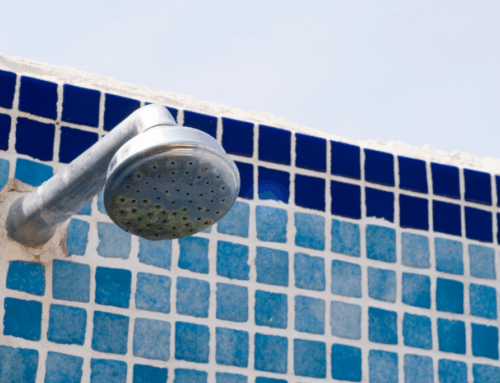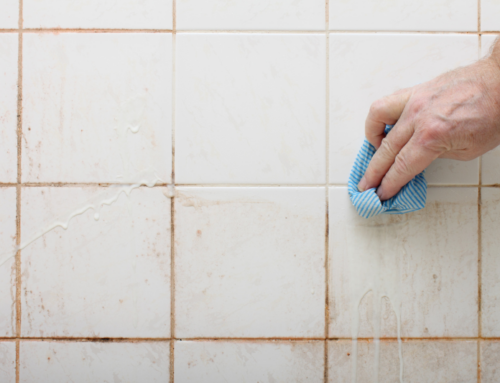

When homeowners in Boise call us about grout problems, the bathroom — and specifically the shower — is almost always at the top of the list. Shower grout deals with a uniquely punishing environment, and it requires a different level of care than grout found elsewhere in your home. If your shower grout looks dark, discolored, or has that perpetually grimy appearance no matter how much you scrub, you’re not alone. And you’re not imagining it — shower grout really is harder to keep clean.
What Makes Shower Grout Different
Think about what your shower grout endures on a daily basis. Hot water. Soap. Shampoo residue. Body oils. Steam. Hard water mineral deposits. Then it dries out — only to go through the entire cycle again the next morning. This constant wet-dry cycle is extremely stressful for grout.
Grout in kitchens or entryways gets wet occasionally. Shower grout gets wet every single day, sometimes multiple times a day. That constant moisture exposure accelerates every type of grout degradation — staining, mold growth, mineral buildup, and structural breakdown. Add in the soap scum that builds up layer by layer over time, and you have a surface that’s working against every cleaning effort you make at home.
In Boise and throughout the Treasure Valley, hard water is a common reality. Hard water contains elevated levels of calcium and magnesium minerals that leave chalky deposits on grout lines over time. These deposits bind with soap residue to form soap scum — a particularly stubborn combination that household cleaners struggle to penetrate.
The Mold Problem in Shower Grout
Beyond staining and discoloration, shower grout is the most common place in a home where mold and mildew take hold. The consistently damp, warm environment is exactly what mold spores need to thrive. And because grout is porous, mold doesn’t just grow on the surface — it grows inside the grout.
This is why that dark discoloration in your shower grout often resists scrubbing. You might be removing surface-level mildew, but the deeper contamination remains. Bleach-based sprays can help temporarily, but they don’t reach the deeper layers of the grout, and they can actually degrade the grout material over time if used repeatedly.
Professional shower grout cleaning uses specialized equipment and cleaning solutions designed to penetrate deep into grout lines, breaking down mold at its source rather than just masking the surface.
Why DIY Shower Grout Cleaning Has Limits
Most Boise homeowners try to manage their shower grout themselves — and there’s nothing wrong with regular maintenance cleaning. But there are real limits to what a scrub brush and spray cleaner can do:
- Limited penetration: Consumer-grade cleaners are formulated for surface cleaning, not deep extraction from porous grout.
- Physical limits: Even with a stiff brush, you can only work the very top of the grout surface. The stain or mold that’s deeper in the grout is largely untouched.
- Residue buildup: Many cleaning products leave their own residue behind, which can attract more dirt over time.
- Time and effort: Truly thorough shower grout scrubbing is exhausting, hard on your knees, and often disappointing in its results.
What Professional Shower Grout Cleaning Looks Like
At Groutsmith Boise, we approach shower grout cleaning with professional-grade tools and techniques that go far beyond anything available to consumers. Our process typically includes:
- Hot steam cleaning: High-temperature steam loosens mineral deposits, soap scum, and biological buildup from deep within the grout lines.
- Professional-grade solutions: We use cleaning agents specifically formulated for grout that break down organic matter, soap scum, and hard water deposits without damaging tile or grout.
- Machine extraction: Our equipment extracts the loosened contaminants from the grout rather than just wiping them around.
- Mold treatment: When mold is present, we treat affected areas with appropriate products that neutralize rather than simply bleach the surface.
The results are dramatic. Grout that homeowners thought was simply stained or aged beyond saving often comes back looking dramatically cleaner — sometimes close to its original color.
Caulking: The Other Critical Component
While we’re talking about shower maintenance, it’s worth addressing caulking — the flexible sealant used in the corners of showers and along the base where tile meets the tub or shower pan. Unlike grout, caulk is designed to flex with movement, but it’s also one of the first places mold takes hold and one of the most common entry points for water intrusion.
Old, discolored, or cracked caulk is both an aesthetic problem and a functional one. Water that gets behind your tile through failed caulk can cause serious structural damage over time. As part of a comprehensive shower restoration, we often recommend re-caulking alongside grout cleaning and sealing.
Protecting Your Shower After Cleaning
Once your shower grout is professionally cleaned, sealing it is the most important next step. A quality penetrating sealer fills in the microscopic pores of the grout, creating a barrier that resists moisture, soap scum, and mold. Learn more about our grout sealing process and how it extends the life of your clean shower grout significantly.
With sealed grout, routine cleaning is easier and more effective. You’ll notice that soap scum and surface residue wipe away more readily, and you won’t need to scrub as frequently or as hard. The shower stays looking better between professional maintenance visits.
Natural Stone Showers: Extra Care Required
Many Boise homeowners with higher-end bathroom tile have natural stone in their showers — marble, travertine, slate, or similar materials. Natural stone is even more porous than standard ceramic or porcelain tile and requires specialized care. Certain cleaning products that are safe for ceramic can etch or permanently damage natural stone surfaces. Our team is trained in natural stone cleaning and sealing, ensuring your investment is protected with the right products and techniques.
How Often Should You Have Your Shower Grout Professionally Cleaned?
For most Boise households with regular daily shower use, we typically recommend a professional cleaning once every 12 to 18 months. This keeps mold and mineral buildup from getting ahead of you, maintains the sealer’s effectiveness, and prevents the kind of deep staining that requires more intensive restoration work. If you have multiple people using the shower regularly, or if someone in the household has sensitivities to mold, more frequent cleaning may be worthwhile.
Boise’s Shower Grout Experts
Groutsmith serves Boise, Meridian, Eagle, Kuna, Nampa, and the broader Treasure Valley with professional grout and tile care services tailored to bathrooms and beyond. Our team understands the specific challenges that Boise homes face — from hard water mineral deposits to the wear of cold, wet winters tracked through the house. Whether your shower grout needs a one-time deep clean or you’re ready to establish a long-term maintenance routine, we’re here to help. Contact us today to schedule a consultation and see the difference professional care makes.