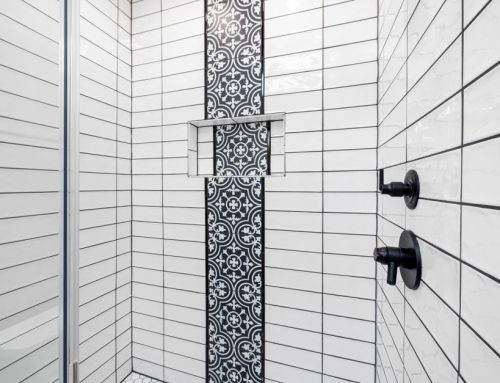

Grout sealing rarely gets much attention until a spill soaks in, a mop leaves a shadow, or the lines around a shower start to darken. It’s one of the simplest steps in tile care, and also one of the most misunderstood. If you’ve had tile installed in your Boise home or business, or you’ve had it professionally cleaned recently, understanding sealer is worth a few minutes of reading.
What Grout Sealer Actually Does
Cement-based grout is porous. Under a microscope, the surface looks less like a smooth line and more like a sponge. Water, coffee, cooking oils, soap scum, and foot traffic grime all work their way into those pores. Once they’re in, they’re difficult to pull back out without professional cleaning.
A penetrating sealer soaks into the grout and lines those pores with a hydrophobic barrier. It doesn’t create a shiny topcoat, and it won’t change the color of properly cleaned grout. What it does is buy you time. Spills bead up long enough to be wiped away, and daily soil sits on the surface instead of sinking in. That makes routine cleaning more effective and slows the gradual darkening most homeowners assume is permanent.
Sealer is not a repair product. It won’t fill cracks, rebond loose tile, or fix missing grout. Those issues need to be addressed before sealing, otherwise you’re just locking problems in place.
How Long Does Sealer Last?
There’s no single answer, because wear depends on the surface and how it’s used. As a general range, penetrating sealers on floors tend to last one to three years, while showers and backsplashes often go longer because they see less abrasion. Kitchens fall somewhere in the middle, especially near the sink and range.
A few Boise-specific factors also play in. Hard water from the Treasure Valley leaves mineral residue that can dull sealer performance over time. Winter brings road salt and grit tracked in on boots, which acts like fine sandpaper on floor grout. Dry summer air isn’t hard on sealer itself, but it does encourage more foot traffic to and from patios and yards.
Signs It’s Time to Reseal
- Water no longer beads on the grout lines and instead darkens them on contact
- Grout looks dingy shortly after cleaning, even when the tile itself is clean
- Spills leave visible stains that weren’t there a year or two ago
- Shower grout stays damp-looking long after the shower is used
- It’s been more than a couple of years and you can’t remember the last time it was done
A simple at-home test: put a few drops of water on the grout line and wait a minute or two. If the water beads or sits on top, the sealer is still working. If it soaks in and darkens the grout, it’s time.
Cleaning Comes First
Sealing dirty grout traps whatever is already down in the pores. That’s why professional sealing is almost always paired with a thorough cleaning first. Depending on the condition of the grout, that might mean a standard deep clean, a color seal to restore an even appearance, or spot repairs before any sealer goes on.
If you’re not sure where your tile stands, the honest answer usually comes from a close look in person. Grout that’s been neglected for years often has more life left than people expect, and the right combination of cleaning, repair, and sealing can keep tile serviceable for many more years without replacement.