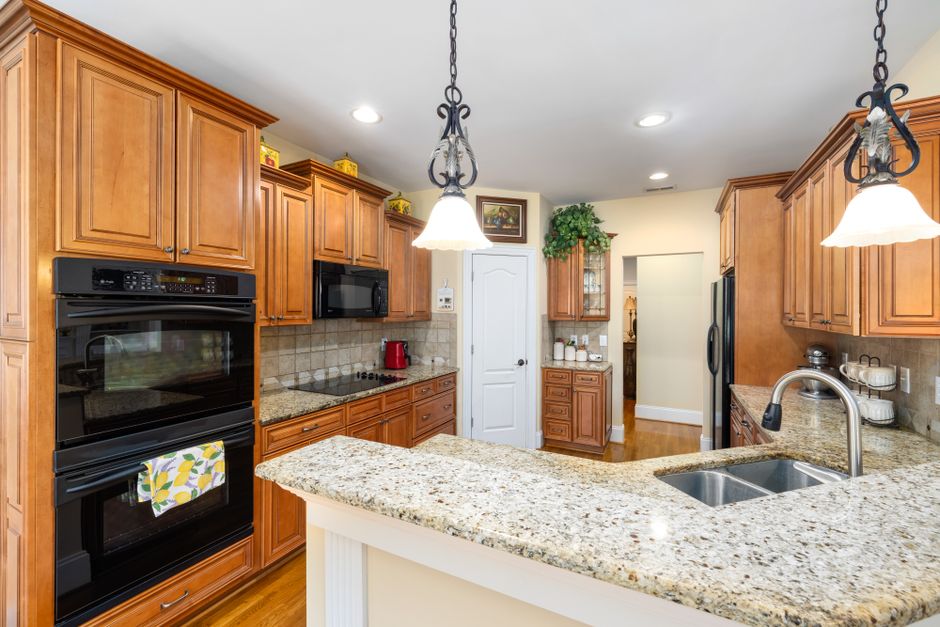
Natural stone brings warmth and character to a home in a way manufactured surfaces rarely match. Granite countertops, marble vanities, travertine floors, and slate entries each carry their own texture and color story. But unlike glazed ceramic tile, natural stone is porous — and in the Treasure Valley, where hard water and dry air are constants, unsealed stone can quietly absorb stains, minerals, and moisture long before you notice a problem.
Sealing is what turns a vulnerable surface into a durable one. It doesn’t change how the stone looks or feels, but it buys you time — time to wipe up a spill before it stains, time to clean soap scum before it etches, time to enjoy the surface without babying it.
Why Natural Stone Needs Sealing
Every natural stone has a level of porosity. Granite is relatively dense but still absorbs oils and acidic liquids. Marble and travertine are softer and more reactive, meaning wine, citrus, coffee, and even some cleaning products can leave marks that don’t come out with regular cleaning. Slate can flake and dull without protection. A quality penetrating sealer soaks into the stone’s micro-pores and creates a barrier that repels liquids while still allowing the stone to breathe.
In Boise, the combination of mineral-heavy tap water and low humidity means stone surfaces face two opposite challenges: hard water deposits building up on showers and countertops, and dryness that can make certain stones more brittle over time. Sealing addresses the first problem directly and helps stabilize the surface against the second.
Where Sealing Matters Most
Not every stone surface wears the same way. The areas that benefit most from consistent sealing include:
- Kitchen countertops, especially around the sink, stove, and prep zones where oils and acidic foods land
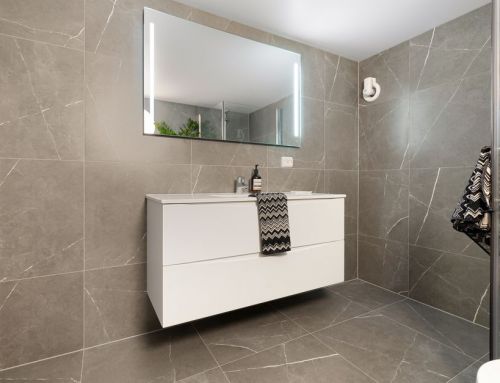
- Bathroom vanities and marble tops exposed to toothpaste, cosmetics, and cleaning sprays
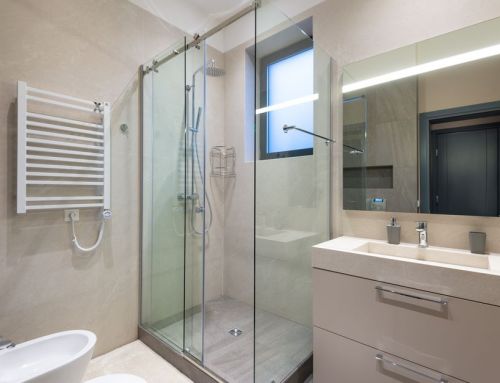
- Shower walls, floors, and niches where soap, shampoo, and hard water constantly hit the stone
- Travertine and slate entryways that see grit, moisture, and boot traffic year-round
- Backsplashes behind cooking areas where grease and steam accumulate
- Outdoor stone on covered patios exposed to temperature swings and irrigation overspray
How Often to Reseal
There’s no universal timeline because sealer life depends on the stone type, the sealer used, how the surface is cleaned, and how much use it gets. A busy kitchen counter may need attention every one to three years, while a lightly used stone floor might hold up longer. A simple water test tells you a lot: drop a few beads of water on the surface and watch. If they bead up and sit, the sealer is still working. If they soak in and darken the stone within a few minutes, it’s time to reseal.
Using the wrong cleaner can also shorten sealer life. Acidic products — including many general-purpose bathroom cleaners, vinegar, and citrus sprays — break down both the sealer and, over time, the stone itself. Stone-safe, pH-neutral cleaners are the safer everyday choice.
Why Professional Sealing Is Different
Off-the-shelf sealers can work, but professional-grade products penetrate more deeply and last longer when applied correctly. The process also includes proper cleaning beforehand — sealing over dirt or hard water residue traps those problems in place. A professional assessment identifies which stones you have, what condition they’re in, and which sealer chemistry fits the surface and its use.
If your natural stone surfaces in Boise are due for attention, or you’re not sure whether they’ve ever been sealed, a professional evaluation is a good starting point. Protecting stone now is almost always less costly than restoring it later.