Every year around late June, our phones start ringing with the same question: why is the mildew in my shower suddenly worse than it was in February? Treasure Valley summers create a specific mix of heat, closed windows, and cranked-up air conditioning that shower tile does not handle well. If you have been scrubbing the same grout lines every weekend and watching the black spots return, the problem is not your effort. It is the environment and the condition of the grout itself.
Why Idaho Summers Are Hard on Shower Tile
Boise is a high desert, which fools a lot of homeowners into thinking humidity is not an issue here. Outside, that is mostly true. Inside a closed-up house running air conditioning, it is a different story. Bathrooms trap steam from morning showers, the AC pulls that moist air through the return, and windows stay shut for weeks at a time to keep the heat out.
The result is a bathroom that never fully dries between uses. Mildew and mold spores are always present in the air. Give them warmth, moisture, and a porous surface to settle into, and they colonize quickly. That porous surface is almost always your grout.
The Real Reason DIY Cleaning Stops Working
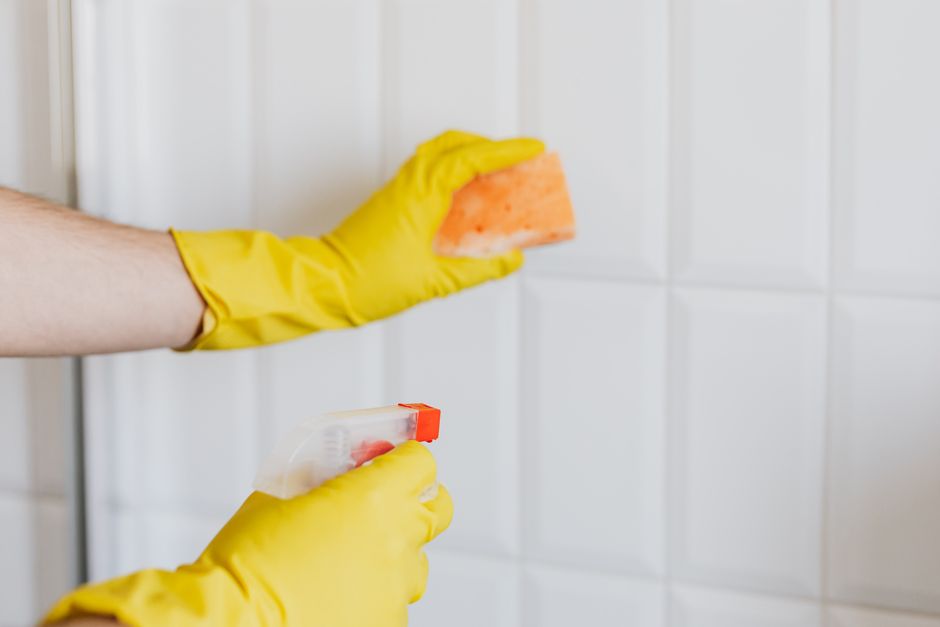
Bleach sprays and grout brushes handle surface staining. What they do not do is reach the discoloration and biological growth that has worked its way down into the grout itself. Grout is essentially a fine cement, and once it has aged past its sealer, it behaves like a sponge. Water, soap residue, body oils, and mildew spores all soak in.
When you spray a cleaner on top, you bleach the visible surface white for a day or two. The material underneath is untouched. As soon as the next shower runs, moisture wicks the staining right back to the surface. This is why so many homeowners feel like they are losing ground every summer despite cleaning more often, not less.
What Sealed Grout Is Supposed to Do
New grout is usually sealed within a few weeks of installation. That sealer is a penetrating barrier that keeps water and contaminants from soaking in. Depending on the product and how heavily the shower is used, it lasts anywhere from one to five years.
Most of the showers we see in Boise homes have not been resealed since the tile was installed. In a home built in 2010, that is more than a decade of unsealed grout absorbing everything that hits it. No amount of surface scrubbing will restore a barrier that is no longer there.
Ventilation Habits That Actually Help
Before you consider professional work, it is worth adjusting a few habits that make a measurable difference. Run the bathroom exhaust fan during every shower and leave it on for at least twenty minutes after. If your fan is older than ten years, check that it is actually moving air—many are not. A tissue held up to the vent should stick.
Squeegee the walls and floor after showering. It takes about ninety seconds and removes most of the water that would otherwise sit in grout lines all day. Leave the shower door or curtain open between uses so air can circulate. These steps will not reverse existing damage, but they slow future buildup considerably.
What Professional Shower Tile Restoration Actually Involves
Professional shower tile restoration in Idaho is not just a deeper version of what you do at home. The process uses alkaline cleaners formulated for cementitious grout, hot-water extraction under pressure, and mechanical agitation that pulls contamination out of the pores rather than smearing it around. In showers with significant staining, we may also do a color seal or regrout badly deteriorated joints.
Once the grout is clean and fully dry, a penetrating sealer goes back on. That sealer is what keeps your weekend cleaning routine effective again. Instead of fighting embedded staining, you are just wiping down a surface that repels water the way it was designed to.
When to Call Someone In
A few signs tell us a shower has moved past DIY territory. Grout that is darker in the corners and along the floor line than it is higher up on the walls usually means moisture is sitting and soaking in. Soft or crumbling grout, gaps where the wall meets the pan, and any musty smell that lingers after the bathroom has dried all point to deeper problems.
Caulk lines that have turned black underneath, rather than on top, are another indicator. That discoloration is behind the caulk and cannot be cleaned—the caulk needs to come out and be replaced. This is straightforward work for a restoration crew and prevents the mildew from spreading into the wall assembly.
A Practical Next Step
If you are in Boise, Meridian, Eagle, or anywhere else in the Treasure Valley and your shower has been getting worse each summer, start with an honest look at the grout. Press a fingernail into a grout line. If it feels chalky or leaves a mark, the sealer is gone. If the color varies significantly from one section to another, staining is embedded.
At that point, a professional cleaning and reseal will reset the shower and make your regular maintenance work again. Get a quote before the height of summer if you can—bookings fill up quickly once bathroom humidity peaks in July and August, and a restored, sealed shower going into the hottest weeks of the year is far easier to keep looking clean.
Featured image: Photo by Curtis Adams on Pexels.