Caulk is easy to overlook. It is a thin line along the edge of a tub, around a sink, or where a countertop meets the backsplash. But that thin line does an important job. It seals the joint so water stays where it belongs.
When caulk fails, water can slip into places it should not go. Knowing when to replace it helps protect your tile, counters, and cabinets.
Why Caulk Matters in Kitchens and Baths
Grout and caulk are not the same. Grout fills the spaces between tiles. Caulk is a flexible sealant used where two surfaces meet, such as a tub and a tile wall or a countertop and a backsplash. These joints move slightly as a house settles and temperatures change, so they need something that can flex.
Kitchens put caulk to work, too. The seam where a countertop meets the backsplash catches crumbs, grease, and water every time you cook or wash dishes. Around the sink, standing water and soap residue can break caulk down faster than you might expect.
Every day, those joints get splashed, wiped, and scrubbed. Over time, even good caulk wears out. It shrinks, cracks, peels away, or becomes a home for mildew.
Signs Your Caulking Needs Replacing
It helps to look closely at your caulk lines a couple of times a year. Watch for these common signs:
- Black, gray, or pink spots that do not wash away
- Cracks, gaps, or sections that have pulled away from the surface
- Caulk that feels hard and brittle instead of flexible
- Peeling edges you can lift with a fingernail
- Discoloration that makes the joint look dirty even after cleaning
- Water stains or soft spots near the tub, sink, or counter
Mildew that keeps coming back is often a sign it has worked its way under the caulk. Cleaning the surface will not fix that. The old caulk has to come out.
Why Removing Old Caulk Matters
A common shortcut is to run a new bead of caulk right over the old one. It may look better for a few weeks, but it rarely lasts. The new caulk does not bond well to old, failing caulk, and any mildew underneath stays trapped.
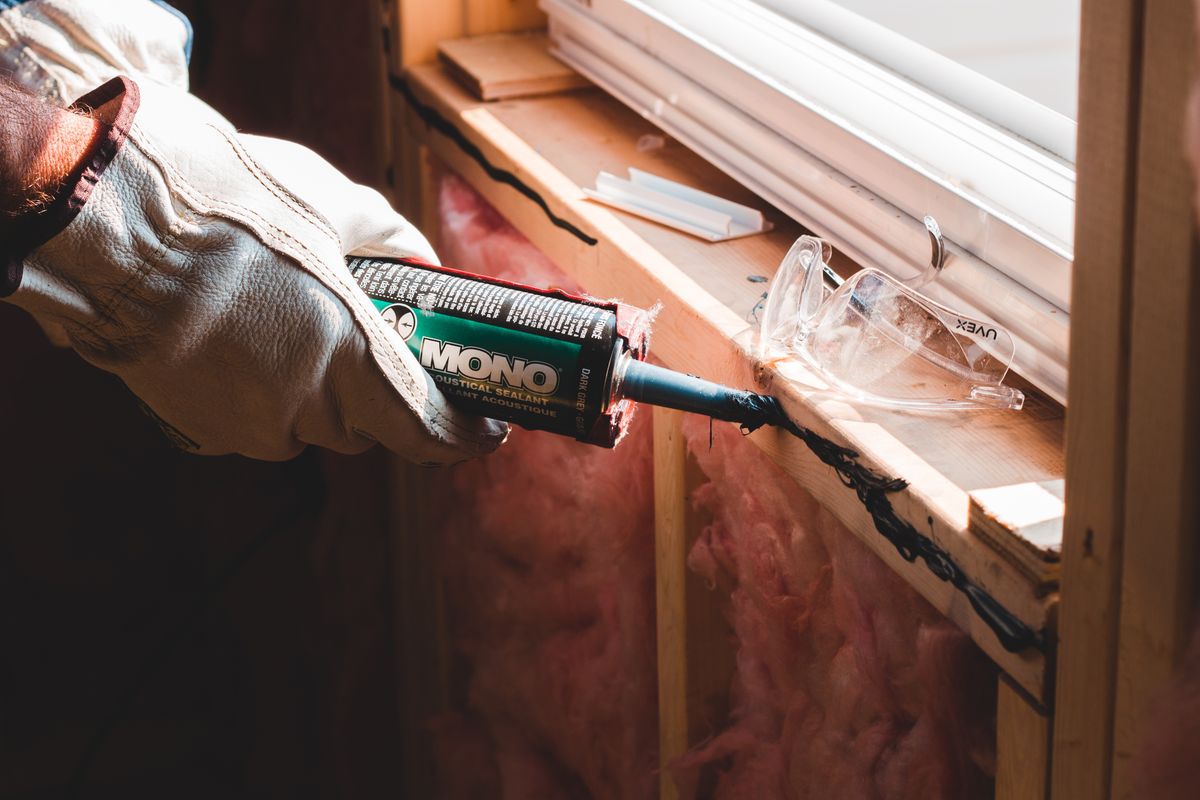
The right approach is to remove the old caulk completely, clean and dry the joint, and then apply fresh caulk. That gives the new seal a clean surface to bond to and a better chance of lasting.
How The Groutsmith Handles Caulking
Our team specializes in repairing, removing, and replacing caulking in showers, sinks, bathtubs, floors, and countertops. We carry a large selection of colors and textures, so we can match your existing caulk and grout for a clean, finished look.
Caulking is often part of a bigger refresh. If your tub surround or backsplash grout is also stained or cracked, we can clean, repair, or seal the grout during the same visit so everything looks consistent. At countertops, we repair caulking at intersections and can seal natural stone to help protect it.
Small Fix, Big Difference
Fresh caulk makes a surprising difference. A tub or sink that looked old and dingy can look clean and finished again in a short visit. Even more important, a good seal helps keep water out of walls, floors, and cabinets.
Between visits, wipe caulk lines dry after use when you can and keep bathrooms well ventilated. Gentle, non-abrasive cleaners help caulk last longer than harsh scrubbing.
If your caulk is cracked, moldy, or peeling, contact The Groutsmith to schedule a free in-home estimate. Our local Boise team will take a look and recommend the right fix for your tub, sink, or countertop.