Every spring in the Treasure Valley, there’s a short window between the last cold snap and the first backyard barbecue when homes get a quiet reset. Windows open, rugs come up, and the floors that looked fine in January suddenly look tired in the May sunlight. For a lot of Boise homeowners, that’s when the grout lines in the kitchen, entryway, or shower start to stand out for all the wrong reasons.
Why grout looks worse in May than it did in February
Winter hides a lot. Low-angle sunlight, dim mornings, and shoes-on traffic disguise the gradual darkening of grout between tiles. Then the days get longer, the sun comes through south-facing windows at a sharper angle, and every line in the floor reads like a pencil sketch. The grout didn’t change overnight — you’re just finally seeing what five months of mud, salt, and pet traffic left behind.
Boise winters are especially hard on entry tile. De-icer residue, fine grit from gravel lots, and damp boots all push particles down into the porous surface of cement-based grout. Mopping pushes some of it around, but most of it stays put until something pulls it out.
The pre-gathering timeline most people underestimate
If you host on Memorial Day weekend, the Fourth of July, or anywhere in between, the practical deadline for tile work is earlier than it feels. A professional deep clean itself usually takes a few hours, but sealing afterward needs cure time, and reputable cleaners book out faster in late spring as everyone has the same idea at once.
Starting in early-to-mid May gives you margin. It also means the floor is fully cured and protected before patio doors start opening and closing twenty times a day with kids, dogs, and guests tracking in dust from the yard.
Where it matters most in a Treasure Valley home
Three areas tend to drive the call. Kitchen floors carry grease that bonds with dust and settles into grout near the stove and sink. Entryways and mudrooms collect the worst of the winter residue, especially in homes off Eagle Road, Chinden, or anywhere near new construction where fine silt is constant. And showers — particularly in older Boise bungalows and 90s-era subdivisions in Meridian and Nampa — develop mildew in the grout long before the tile itself shows it.
Each of these areas responds differently to cleaning, which is part of why a household scrub brush rarely gets the result people are hoping for. Kitchen grout needs degreasing. Entry grout needs deep extraction. Shower grout needs antimicrobial treatment and, often, fresh sealer or color-seal to lock out future moisture.
What professional grout cleaning in Boise actually involves
The version most homeowners picture — someone on their knees with a toothbrush — isn’t really what the work looks like anymore. A proper service uses a high-temperature, high-pressure extraction tool that flushes the grout lines and vacuums the slurry away in the same pass. An alkaline pre-treatment loosens the buildup; the heat and pressure lift it out; a neutral rinse leaves the surface ready to seal.
The difference shows up immediately. Grout that looked permanently gray often comes back two or three shades lighter, closer to its original color. For grout that’s stained beyond cleaning, color-sealing is a separate option that restores a uniform tone and adds a protective barrier in one step.
Sealing: the step that makes the cleaning last
Cleaning without sealing is a short-term win. Unsealed grout is porous, and in a house that sees real foot traffic, it can start collecting soil again within a few months. A penetrating sealer applied after the deep clean gives the grout a fighting chance against spills, mop water, and the everyday grit of a Boise summer.
Sealer isn’t permanent — most products hold up for one to three years depending on traffic — but it’s the single biggest factor in how good your floors look the next time you host. If a cleaner doesn’t mention sealing, ask about it.
What it costs and what to expect
For most Treasure Valley homes, a professional tile and grout cleaning lands in a predictable range based on square footage, with sealing as an add-on. Showers are priced per stall. A walkthrough or quick photo estimate is usually enough to get a firm number, and most jobs are done in a single visit.
You can walk on the floors the same day. Sealer typically needs a few hours to set before heavy use, which is why scheduling a week or two before company arrives is the sweet spot — not the day before.
A practical next step
If your floors or showers have been bothering you since the snow melted, the easiest move is to get on a calendar before the May rush fills up. Take a few photos in natural light — kitchen, entryway, and any shower you’re worried about — and request an estimate. From there, you’ll know whether a straightforward deep clean is enough or whether color-sealing makes more sense for the worst areas.
Either way, handling it now means the floors are one less thing on your mind when the first round of summer guests walks through the door.
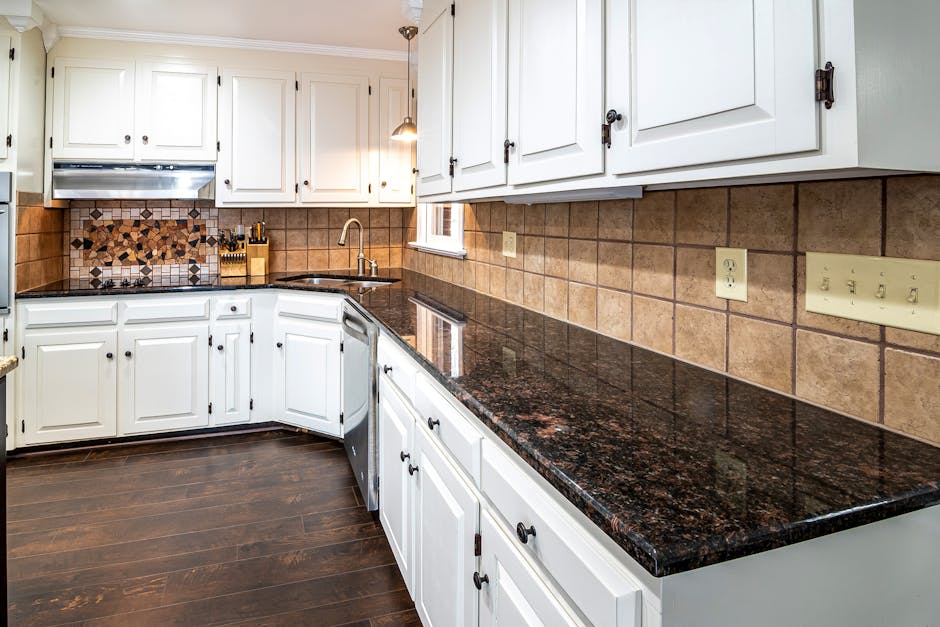
Featured image: Photo by Curtis Adams on Pexels.