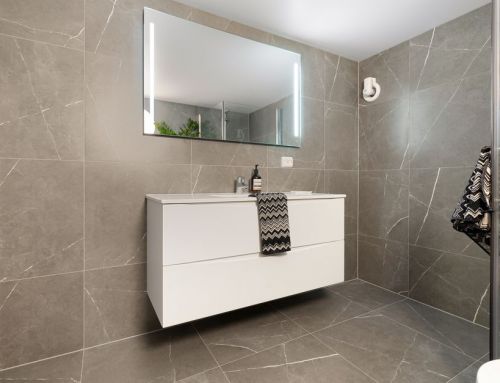
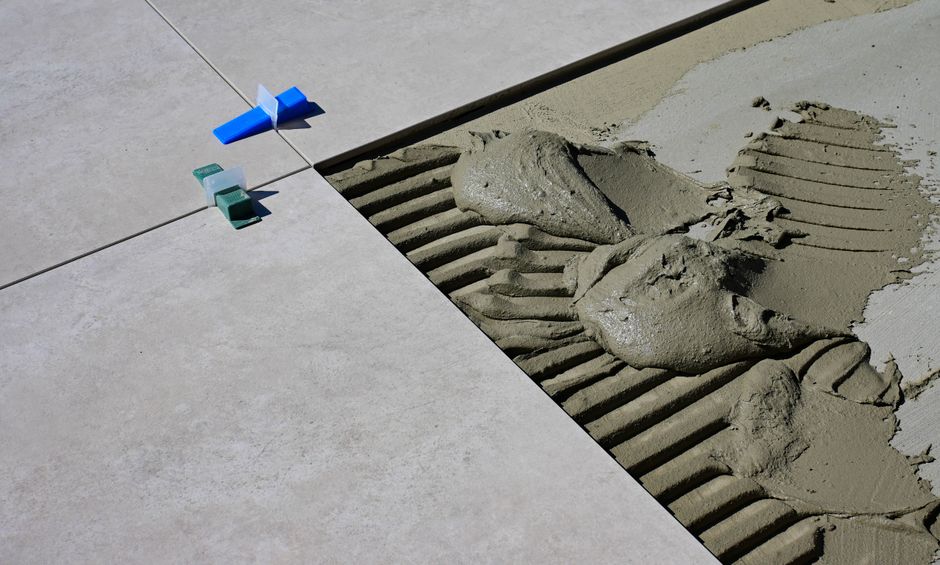
Most homeowners think about grout only when it looks bad. But the best time to seal it has less to do with how it looks and more to do with the weather outside. In the Treasure Valley, late spring offers a short, reliable window where conditions inside your home line up almost perfectly with what a quality grout sealer needs to cure and bond. Miss that window, and you’re working against either summer heat or winter moisture.
Why Sealer Cares About the Weather
Grout is porous. A penetrating sealer works by soaking into those pores and curing into a water-resistant barrier. That curing process is sensitive to two things: temperature and humidity. Apply sealer when the tile is too cold, and it won’t penetrate properly. Apply it when indoor humidity is high, and the water in the grout competes with the sealer for the same pore space.
The result of poor timing isn’t always obvious right away. A sealer applied in the wrong conditions may look fine for a few weeks, then begin to fail in patches—usually in the spots that see the most foot traffic or water exposure.
What Makes May Different in Boise
Boise’s late spring tends to sit in a comfortable middle ground. Daytime highs typically run in the 60s and low 70s, overnight lows stay above freezing, and indoor humidity drops as homeowners stop running humidifiers and before the summer swamp-cooler season kicks in. For a few weeks, your tile floors sit at roughly 65 to 72 degrees with relative humidity often between 30 and 45 percent indoors.
That range is close to what most sealer manufacturers list as ideal application conditions. You don’t have to chase it or manufacture it with HVAC tricks—it’s simply the ambient state of most Treasure Valley homes in May.
The Problem With Summer and Winter Sealing
Summer in Boise brings dry air, which sounds helpful, but it also brings tile surface temperatures that can climb well above 80 degrees in sun-exposed rooms. Hot grout flashes off the sealer’s carrier too quickly, leaving an uneven cure and sometimes a hazy residue that’s difficult to correct.
Winter has the opposite problem. Cold tile, especially on slab floors or in unheated bathrooms, slows penetration to a crawl. Add the moisture from showers, cooking, and closed windows, and you end up sealing grout that’s already holding water it shouldn’t be. The sealer traps that moisture instead of blocking new moisture out.
What Sealing Actually Buys You
A properly applied grout sealer does three practical things. It slows the absorption of spills, which means coffee, wine, and shampoo have time to be wiped up before they stain. It reduces the foothold that mildew and soap scum get in shower grout. And it makes routine cleaning faster, because dirt sits on top of the grout rather than embedding into it.
None of this is permanent. Most penetrating sealers last between one and three years depending on traffic, cleaning chemicals, and the grout’s original condition. Sealing in spring gives that protection a full summer and fall of stable performance before the next round of indoor humidity arrives.
Clean First, Then Seal
This part gets skipped more often than it should. Sealer locks in whatever is already on and in the grout. If the lines are gray from ground-in soil, sealing them simply preserves the gray. If there’s mildew in a shower corner, sealing traps it.
A deep clean before sealing is what makes the difference between grout that looks restored and grout that just looks protected. For floor tile, that usually means a hot-water extraction process with an alkaline cleaner. For showers, it often involves a separate mildew treatment before the sealer goes on. The cleaning step is also when any cracked or missing grout should be repaired, because sealer can’t fix structural gaps.
What to Check Before You Schedule
A few quick assessments will tell you whether your grout is a candidate for spring sealing. Drop a small amount of water on a grout line in your kitchen or bathroom. If it darkens within thirty seconds, the existing sealer has worn off or was never there. Look at shower corners and the grout around the toilet base for discoloration that doesn’t come off with normal cleaning. Check entryways and high-traffic paths for grout that’s noticeably darker than the lines under furniture.
If any of those signs are present, the grout is ready for cleaning and resealing. If everything still beads water and looks consistent, you likely have another year before you need to act.
A Practical Next Step
If you’re in Boise, Meridian, Eagle, or anywhere else in the Treasure Valley, the few weeks around May are worth putting on the calendar. Walk through your home this weekend and do the water-drop test in two or three rooms. If the grout absorbs quickly or looks stained beyond regular cleaning, schedule a professional clean and seal while the weather is still cooperating. Acting now means your floors and showers are protected through the heaviest-use months of the year, instead of waiting until conditions make the job harder and the results less reliable.
Featured image: Photo by Vladimir Srajber on Pexels.